


Sheriff's Corner: Staying Safe During Hunting Season
When September finally rolls around and the mornings become crisp and cool, it typically means two things for Carbon County: the beginning of football, and hunting season. Each year, hundreds of residents and non-residents flock to the mountains and high deserts of Carbon County to chase elk, antelope, mule deer, and other ungulates. Hunting season is a special time for many, myself included. Generations of hunters return year after year to the same hunting camps, recalling memories around the campfire while creating new stories to be passed down by future generations. The annual pilgrimage to hunting camp is a journey cherished by many, and there is no better place for it than Carbon County.
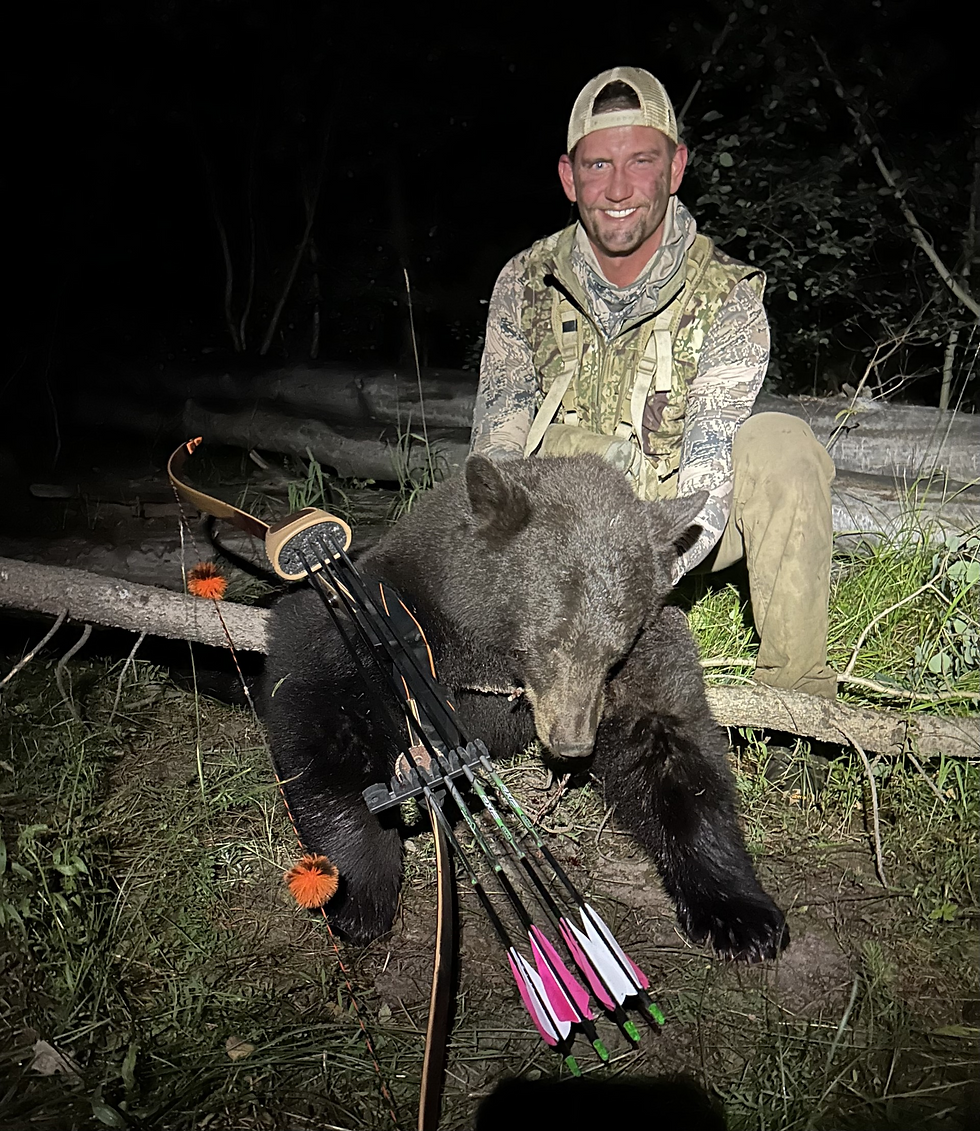
With that being said, I’d like to take the time to share some safety tips for all the hunters this year, as this hallowed season is finally upon us. Some of these are lessons learned from Search and Rescues, some are from incidents that have happened to hunting partners, and others are ones I learned the hard way. Each year, both of our Search and Rescue Divisions are paged out on numerous search and rescue missions for missing, injured, or overdue hunters. Hopefully the safety tips in this article will help some of us hunters avoid finding ourselves in a dangerous spot this fall in the mountains.
1. Have a Plan (and let someone know!):
a. There is a reason that this lesson is first on the list. Having a plan, even a rough one, and
letting someone know can literally save lives. It can save search and rescue personnel
hours in locating and administering aid to a lost or injured hunter. When I hunt, I
typically let my wife or hunting partner know the area I will be hunting in that day. If I
plan on being gone several days on a backpack hunt, I will also let them know an
estimated time that I plan on returning to base camp or back home. This simple
precaution can save countless hours of searching and, when the weather turns bad,
hours lost can mean the difference between life and death. If I fail to return by my given
time, my hunting partner will know something is wrong and will be able to contact
search and rescue and provide them with a rough area of where I was hunting.
2. Make Smart Decisions:
a. This is a lesson that was undoubtedly learned the hard way. It was late in October,
coming up on the last few days of elk season, and I had hiked quite a way back into a
new area. It was closing in on the last hour or so of legal shooting light when, glassing
from a high ridge, I spotted a herd of elk about a mile away. Instead of being prudent
and taking the time and weather conditions (it was snowing,) into consideration, I took
off after the elk, thinking that if I moved quickly, I could get there before it was too dark.
My plan worked, and I found myself in the elk with just enough legal shooting light to
make a shot and drop one of the elk. It was at precisely this moment that I realized what
I had done. Darkness came quickly, the snow began falling harder, and I was miles away
from both my truck and my four-wheeler. Foolishly, I had left my pack at the truck,
planning only to take a short walk. It ended up being a long, cold night spent on the
mountain, hiking through deadfall choked ravines, slipping on the snow, and drinking
from creeks. It was almost daybreak when I finally stumbled off the mountain and made
it back to my truck. Sometimes, as in this case, discretion is the better part of valor.
Always take things such as distance, daylight, and weather conditions into account
before making any decisions.
3. Communication Devices:
a. One of the most important things a hunter can carry (and most do in the form of cell
phones,) is a communication device. The three main devices we typically see (and would
recommend,) are cell phones, two-way radios, and a satellite communication device.
Even if you don’t have service where you hunt with your particular service provider, a
911 call will use whatever tower is closest, regardless of your provider, putting you in
touch with our county dispatch center. In addition, almost all cell phones have a
“compass” application pre-installed. If you open this app, it will show your exact latitude
and longitude coordinates, which can be relayed to dispatch or search and rescue units,
drastically cutting down search time and area. Two-way radios can be useful when
hunting as part of a group, and satellite communicators, such as a SPOT or Garmin
Inreach, can prove invaluable with their “SOS” function, which transmits an emergency
message to our dispatch center with your coordinates.
These are just several considerations when enjoying Carbon County’s outdoor recreation activities.
Good luck to everyone this hunting season, and be safe!
-Alex


Comments